
No More £100 Contactless Limit From March
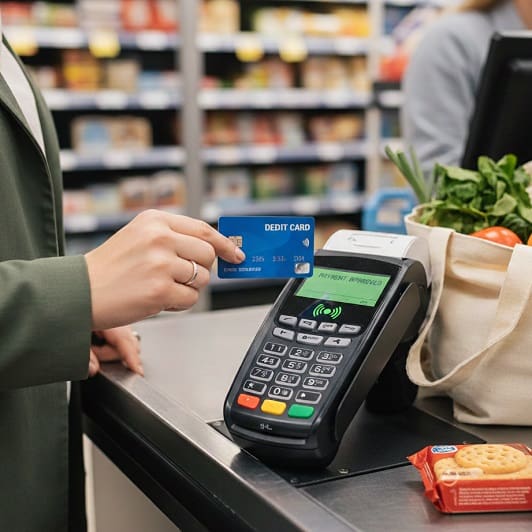
The UK’s £100 contactless card payment limit is set to be lifted from March 2026, after the financial regulator confirmed it will remove the fixed cap and give banks greater freedom to decide how contactless payments are handled.
Not Forced To Do It Immediately
The change, announced by the Financial Conduct Authority (FCA), does not force banks to raise limits immediately, but opens the door for higher or unlimited contactless payments where firms believe the fraud risk is low.
How Contactless Limits Currently Work
Under existing rules, shoppers using a physical debit or credit card can make a single contactless payment of up to £100 without entering their four digit PIN. There are also cumulative controls in place, meaning customers are typically asked to verify with a PIN after five contactless transactions or once total spending reaches around £300. These safeguards are designed to limit losses if a card is lost or stolen, while still allowing fast payments for everyday purchases.
Mobile Payments Different
Mobile payments work differently. For example, digital wallets such as Apple Pay and Google Pay do not have a fixed transaction limit, because payments are authenticated using device security such as fingerprint scanning or facial recognition. That distinction has become more noticeable as smartphone payments have grown in popularity.
What Will Change From March 2026?
From March 2026, the FCA will remove the regulatory requirement that sets a single national £100 limit on contactless card payments.
Instead, banks and payment providers with strong fraud controls will be allowed to set their own limits, including the option of having no fixed limit at all. Firms are also being encouraged to give customers more control, such as allowing them to choose their own contactless limit or turn contactless payments off entirely.
The FCA claims that this is about flexibility rather than mandating change. For example, providers will decide if and when they adjust limits, and many are expected to keep the current £100 cap for the foreseeable future.
Why The Change?
The regulator’s argument is that contactless payments have become the default way many people pay, and rigid limits can become less practical over time.
Contactless usage in the UK is now extremely high. For example, research cited by the FCA, carried out by Barclays, found that almost 95 percent of all eligible in store card transactions were contactless in 2024. Against that backdrop, the FCA believes fixed rules set several years ago risk becoming outdated as prices rise and payment technology improves. As David Geale, executive director of payments and digital finance at the FCA, says: “Contactless is people’s favoured way to pay. We want to make sure our rules provide flexibility for the future, and choice for both firms and consumers.”
The FCA has also linked the move to its wider work on supporting economic growth and prioritising digital solutions, describing the change as part of a broader programme of regulatory reform.
Consumer Choice
A key part of the FCA’s announcement is the emphasis on customer control. For example, rather than simply raising limits across the board, the regulator is encouraging banks to allow people to decide what works for them. Many high street banks already let customers set their own contactless limits or disable the feature entirely through mobile banking apps.
This means that someone concerned about fraud could switch contactless off, while someone making frequent higher value purchases could choose a higher personal limit to avoid repeated PIN prompts. Others may decide to keep tighter controls in place to help manage spending.
Any provider that changes its approach will be required, under the FCA’s Consumer Duty rules, to communicate those changes clearly and support good customer outcomes.
Fraud Protection And Reimbursement Rules
Concerns about fraud sit at the heart of the debate around higher contactless limits. The obvious fear is that if a card is stolen, a criminal could spend more before the cardholder realises and cancels it.
The FCA has stressed that existing consumer protections remain unchanged. Banks and payment firms must reimburse customers for unauthorised contactless fraud, such as spending on a lost or stolen card, unless there is evidence of gross negligence or complicity.
The regulator also believes that removing a blunt national cap will push firms to invest more in sophisticated fraud detection rather than relying on fixed limits alone.
In its press release, the FCA said the greater flexibility “will incentivise firms to step up their fraud prevention, giving consumers greater protection and peace of mind”.
How Big A Problem Is Contactless Fraud?
Industry data suggests contactless fraud rates are relatively low compared with other forms of card fraud. For example, figures published by UK Finance, which represents the UK banking sector, show that contactless fraud amounted to around 1.2p for every £100 spent using contactless cards. While any fraud is significant in absolute terms, this rate is lower than for card fraud overall.
The FCA has acknowledged that raising limits could increase potential losses if controls are not robust. In modelling shared during earlier discussions, it warned that higher limits could drive increased fraud if not matched with stronger monitoring, alerts, and transaction analysis.
That risk is one reason the regulator says only firms with strong fraud controls should take advantage of the new flexibility.
Why Most People May Not See Immediate Change
Despite the headline change, many customers may notice little difference in the short term. This is because, based on feedback from banks and payment service providers, the FCA says most firms are likely to maintain their existing contactless limits for now, even after the rules change in March 2026. Not only is a consistent national limit simple for customers to understand, but sudden changes could create confusion or anxiety around fraud. For banks, there are also operational considerations, including customer support, dispute handling, and the need to ensure monitoring systems can cope with higher value transactions.
How The £100 Limit Came About
The UK’s contactless limit has never been static. When contactless cards were introduced, back in 2007, the maximum transaction value was just £10. That figure rose gradually over time, reflecting growing trust in the technology and improved security.
The limit reached £30 by 2015, before increasing more rapidly during the Covid pandemic, when contactless payments were promoted as a hygienic alternative to cash. It rose to £45 in 2020 and then to £100 in October 2021.
The FCA’s latest move marks a move away from a single nationally defined figure, towards a more flexible, provider led model.
Concerns
It’s worth noting here, however, that the regulator has accepted that this is not a change driven by strong consumer demand. For example, in its own survey work during consultation, a large majority of consumers said they did not want the £100 limit changed.
Critics have also raised concerns beyond fraud. For example, some academics argue that reducing friction at the point of payment can make it easier to overspend, particularly on credit cards where people are using borrowed money. Financial abuse charities have also warned that easier spending could be misused in controlling relationships, especially where an abuser has access to a card or monitors transactions online.
Those concerns sit alongside broader debates about the move away from cash, which remains important for some vulnerable groups.
What Businesses And Retailers Think
Parts of the retail and hospitality sector have welcomed the prospect of greater flexibility, arguing that faster payments can improve customer experience and reduce queues. For example, Kate Nicholls, chair of UKHospitality, said: “Making life easier for consumers is a positive for any hospitality and high street business, and I’m pleased the FCA is bringing forward this change.”
She added, “Contactless has increasingly become the preferred payment method of choice for many people and lifting the limit can mean quicker and easier experiences for consumers. While many people still prefer to use cash or chip and PIN, this change adds much needed flexibility for providers and consumers.”
For retailers, much is likely to depend on how consistently banks apply the new freedom, and how clearly changes are explained to customers at the point of payment.
What Does This Mean For Your Business?
What the FCA has actually done is remove a fixed rule rather than impose a new one. The £100 limit is not being abolished overnight, and most people are unlikely to see any immediate difference at the till. Instead, the regulator is handing responsibility back to banks and payment firms, with the expectation that flexibility is matched by stronger fraud controls and clearer communication with customers.
For consumers, the impact will depend largely on how their own bank responds. Some may eventually be offered higher limits or more personalised controls, while others may see no change at all. The emphasis on customer choice suggests that people concerned about fraud, overspending, or personal safety should retain meaningful ways to limit or disable contactless payments if they wish.
For UK businesses, particularly retailers and hospitality venues, the change has the potential to reduce friction at checkout and speed up higher value transactions over time. That could improve customer flow and reduce queueing, but only if changes are applied consistently and explained clearly. For example, a patchwork of different limits across banks could create short term confusion for staff and customers alike.
Banks and payment providers now carry greater responsibility and, if they choose to raise or remove limits, they will need to demonstrate that fraud monitoring, alerts, and reimbursement processes are robust enough to cope with higher risk. The FCA has been clear that flexibility is conditional, not automatic, and firms will be judged on outcomes rather than intent.
More broadly, the move reflects a shift in how the UK approaches everyday payments. As digital and contactless methods dominate, regulation is moving away from fixed national thresholds towards adaptive controls shaped by technology, behaviour, and risk. Whether that balance holds will depend on how carefully the next phase is handled by all sides involved.
Sponsored
Ready to find out more?
Drop us a line today for a free quote!
